Title Image

Madagascar, a Land of Unique Terroirs

Where biodiversity, climate, and tradition shape unique natural profiles.

Madagascar’s exceptional natural wealth is inseparable from the diversity of its terroirs.
Shaped by varied climates, contrasting altitudes, and a mosaic of soil types, the island offers an extraordinary range of natural environments where aromatic plants and spices develop highly distinctive characteristics.

From humid tropical zones to cooler highland areas, each region expresses a unique botanical identity. Rainfall patterns, temperature variations, soil composition, and exposure directly influence the aromatic intensity, chemical balance, and sensory profile of plants. These natural conditions explain why ingredients sourced from Madagascar are recognized worldwide for their authenticity and complexity.

From humid tropical zones to cooler highland areas, each region expresses a unique botanical identity
Terroir is also shaped by human knowledge

Terroir is also shaped by human knowledge. Traditional agricultural practices, adapted over generations, play a crucial role in preserving plant quality and ecological balance. Harvesting periods, cultivation methods, and post-harvest handling are closely linked to local conditions and contribute to the final expression of each raw material.

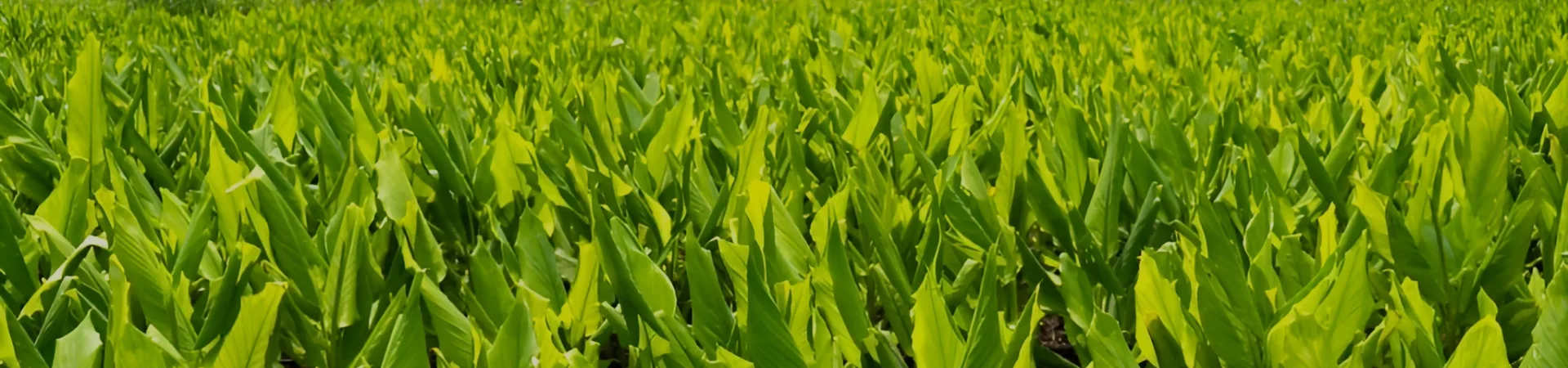
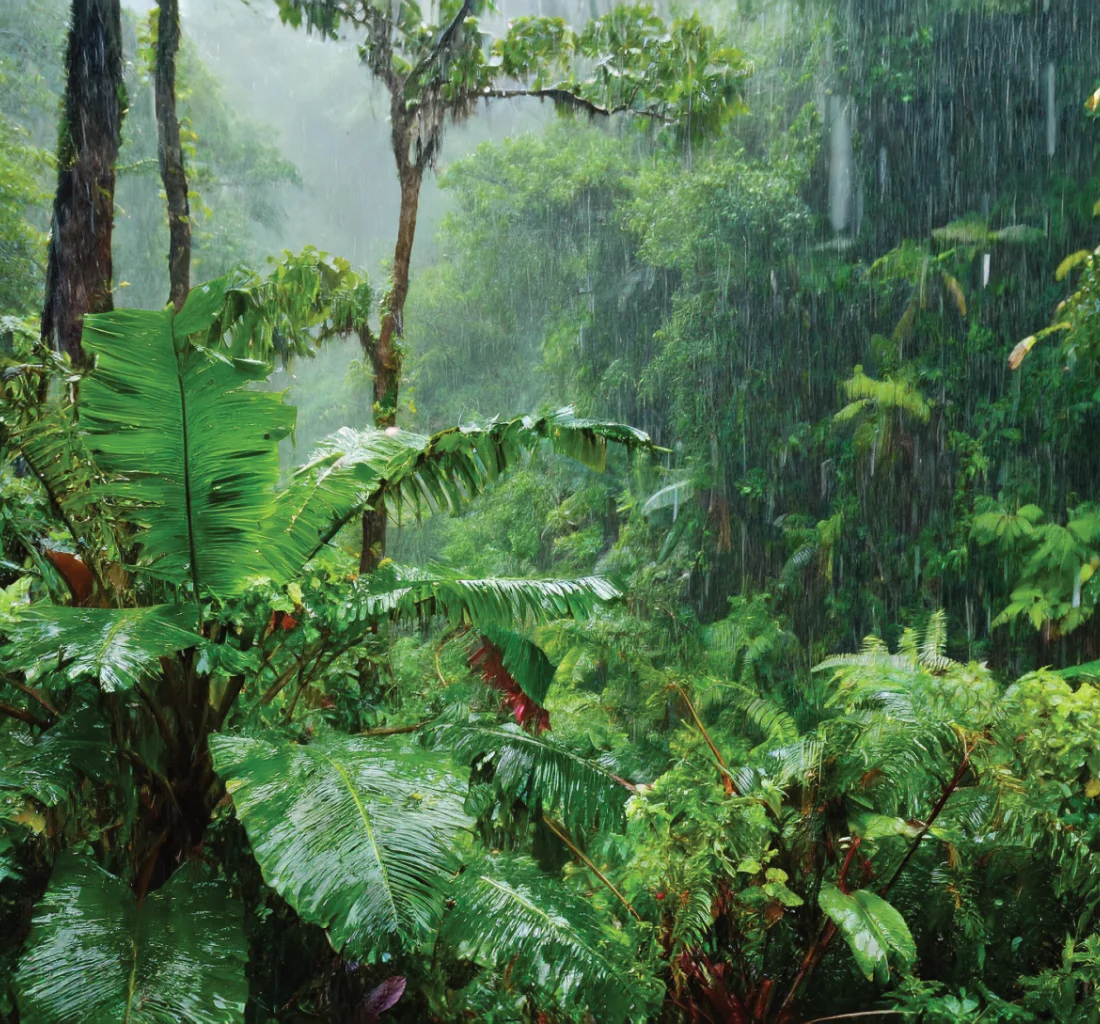
In spice-growing regions, slow maturation under stable climatic conditions allows aromas to fully develop. In forested and high-rainfall areas, aromatic plants benefit from rich ecosystems that enhance freshness and complexity. Highland zones, with their cooler temperatures and structured soils, produce botanicals with depth, stability, and robustness.

Understanding terroir means recognizing these natural variations rather than standardizing them. It requires precise knowledge of origin, careful selection of production areas, and respect for the environment in which each plant grows. This terroir-based approach ensures ingredients that remain true to their origin while meeting professional expectations in terms of consistency and performance.

Madagascar’s terroirs are not interchangeable. They are living systems, shaped by nature and time, whose preservation is essential to maintaining the quality and uniqueness of natural ingredients. Valuing terroir means protecting biodiversity, respecting ecosystems, and allowing nature to express its full potential.

It is this diversity of landscapes, climates, and agricultural traditions that makes Madagascar a singular source of natural ingredients and a land where origin is not just a place, but a defining element of quality.